








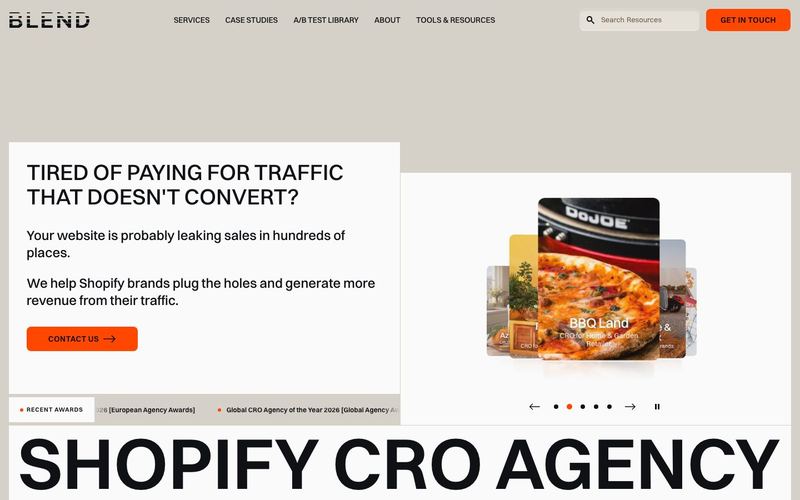
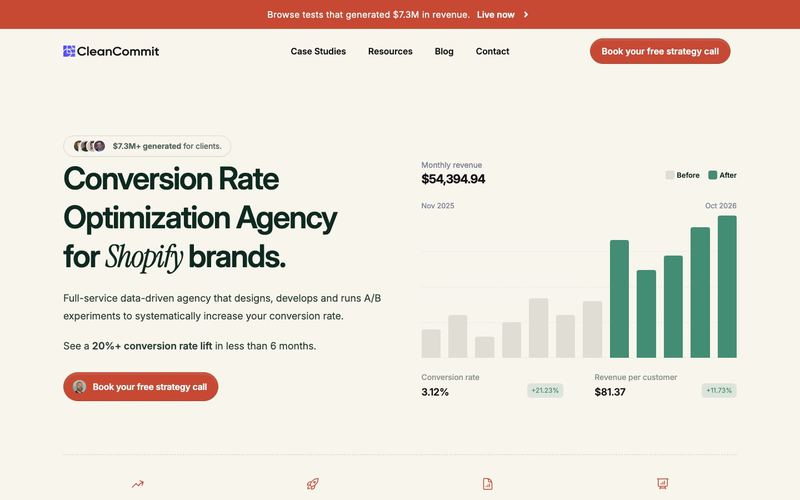







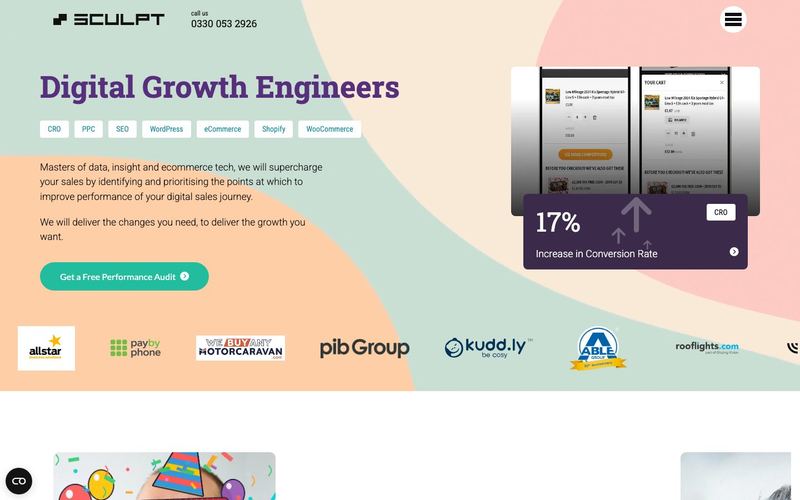
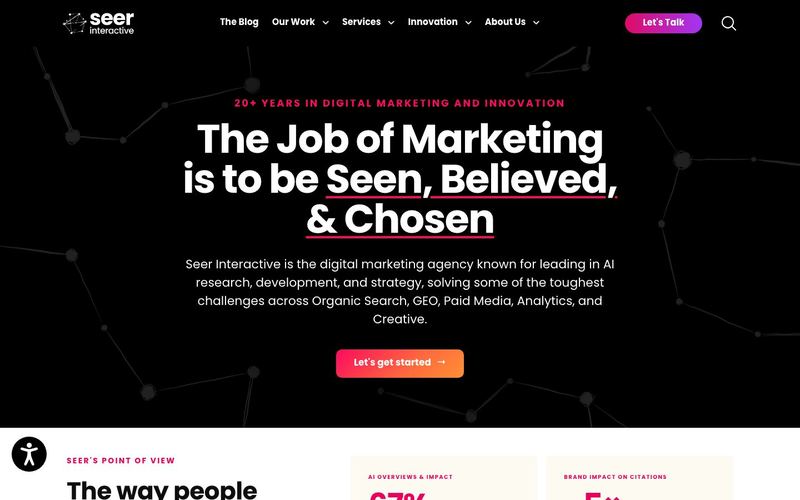

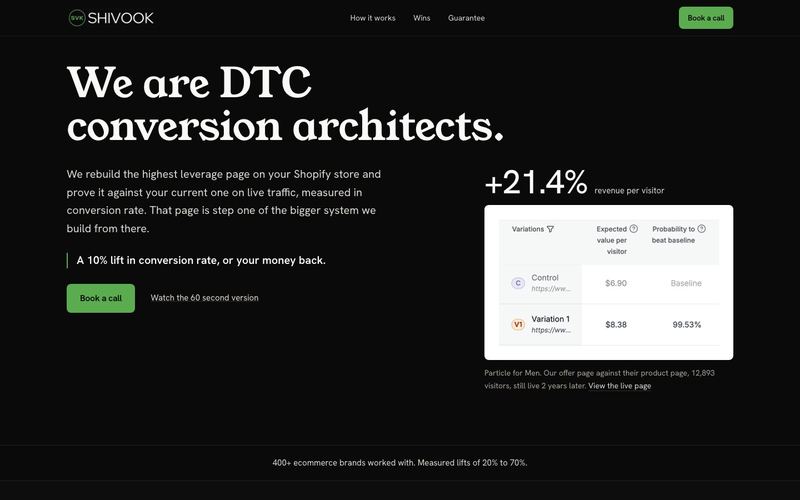
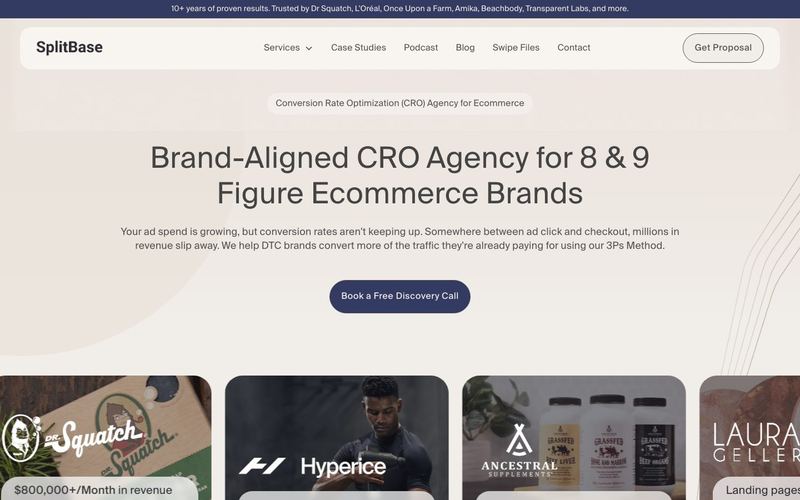

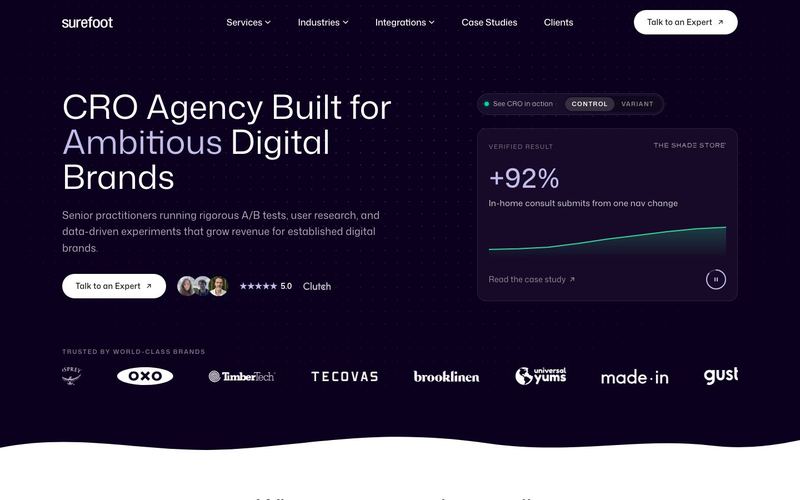




CRO agencies are firms that research your site, run A/B tests and ship the changes that win, usually for a monthly retainer.
The agencies on this page publish their actual results, losses and flat tests included, and 100 of them are credited for 770 of the tests in the LiftArchive database.
Looking at what an agency has really tested is the fastest way to judge it before you hire.
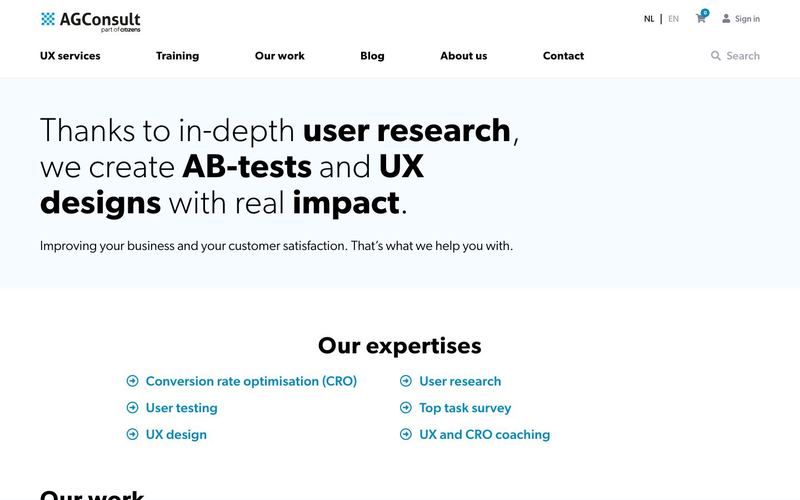
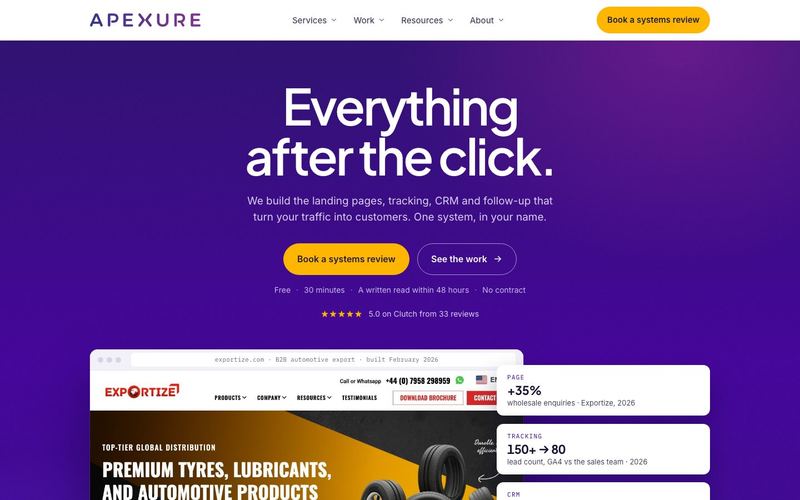
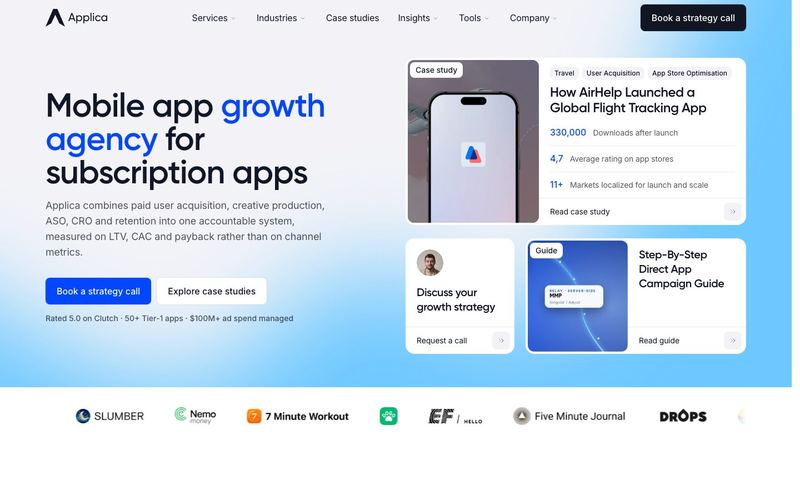
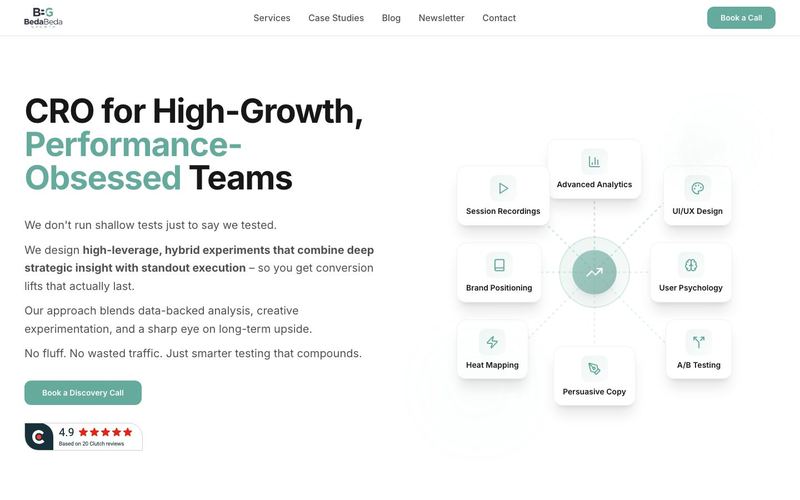
The cards above list every agency, along with its specialty and best shared result.
The guide below covers what their combined tests show and how to choose and pay for one.
Why published results set these agencies apart
Most CRO agency websites show a few big wins and a logo wall.
That tells you an agency can win sometimes.
It doesn't tell you how often, on which pages, or how it handles a test that loses.
An agency that publishes its results lets you check three things before the first call: whether it has tested sites like yours, what metrics it judges tests on, and whether it is honest about losing tests.
The gap is easy to see in our data.
Clean Commit publishes its full set of tests, and its 173 results in our database break down to 16 wins, 35 losses and 122 flat tests.
That's a win rate of about 9%. The other 99 agencies together are credited with 597 tests, and 561 of those (94%) are wins.
Clean Commit isn't 10 times worse at CRO.
Most agencies just publish their winners. So when you read any agency's case studies, assume you are seeing the best of its work, and ask what the rest looks like.
A typical honest loss looks like Clean Commit's filters on collection pages test: -6.4% conversion and -33.2% revenue per visitor.
An agency that shares results like that shows you it ends losing ideas instead of shipping them.
What agency tests show: pages, win and loss shares, typical lifts
We counted every test in our database credited to an agency. Here is what those 770 tests show.
| Measure | Agency-credited tests |
|---|---|
| Tests | 770, from 100 agencies (45% of the database) |
| Outcome | 577 won (75%), 137 flat (18%), 56 lost (7%) |
| Outcome without Clean Commit | 561 won (94%), 15 flat (3%), 21 lost (4%), from 597 tests |
| Vertical | 621 ecommerce (81%), 104 lead-gen (14%), 45 SaaS (6%) |
| Evidence type | 592 clean A/B tests, 141 bundled changes, 33 before/after, 4 multivariate |
| Median reported win, conversion rate | +20% (115 wins that report a conversion rate lift) |
| Median reported win, revenue per visitor | +15% (34 wins that report an RPV lift) |
Treat those median lifts as an upper bound.
Published wins skew large, because small wins rarely make it into a case study.
Bundled changes, like full page rebuilds, also produce bigger numbers than single-change tests.
The most-tested pages
Product pages lead by a wide margin. These are the pages agencies tested most often:
| Page | Tests | Won | Flat | Lost |
|---|---|---|---|---|
| Product page | 262 | 178 | 60 | 24 |
| Landing page | 121 | 115 | 2 | 4 |
| Collection page | 87 | 53 | 24 | 10 |
| Homepage | 83 | 60 | 20 | 3 |
| Site-wide | 74 | 65 | 8 | 1 |
| Cart | 48 | 36 | 9 | 3 |
| Navigation and menu | 37 | 23 | 9 | 5 |
The landing page row looks almost perfect, but most of it is paid-traffic work published as case studies, often as bundles of changes.
Product and collection pages have the most flat and losing results, partly because that's where Clean Commit's library sits.
The same idea can also win for one client and do nothing for another.
GrowthRock added a free shipping message under the add-to-cart button for two stores: a furniture store saw +19% orders, while a supplement store saw no change in conversion.
An agency's past win is a test idea for your site, not a guaranteed fix.
Flat results matter too. A flat test still costs design and development time, and most of the 137 flat agency tests in our database are product, collection and homepage changes that looked sensible before launch.
The most common elements tested were layout and design (125 tests), menus (81), product cards (64), headlines and copy (57), filters and search (52), CTA buttons (51) and variant selectors (51).
Losses come from agencies of every size and style.
These are six published losses from five different agencies:
 Clean Commit
 Blend Commerce
 Convertibles
 DRIP AgencyBlend Commerce
 Conversion Fanatics
For more on how often tests really win, see our research hub.
Agencies by specialty: ecommerce, SaaS and lead-gen
Most agencies that publish results work on ecommerce, and many of them on Shopify stores in particular.
Use the specialty on each card to narrow the list, then check whether the agency's tests match your pages.
- Ecommerce and Shopify CRO agencies. 621 agency tests come from online stores, with 437 wins (70%), 134 flat and 50 lost. Expect product page, collection page, cart and menu tests. Blend Commerce, for example, saw +11.11% revenue per visitor from a simplified mobile menu.
- Lead-gen agencies. 104 tests, almost all landing pages and forms, with 100 shown as wins. KlientBoost accounts for 42 of them, much of it paid-traffic landing page work such as multi-step PPC landing pages for Base CRM (+66% conversion, bundled changes).
- SaaS agencies. Only 45 agency tests are from SaaS companies, so you'll have less public proof to go on. See our list of SaaS CRO agencies.
If you only need test execution and not strategy, look at A/B testing agencies.
UK buyers can start with our UK CRO agency list.
Independent consultants and in-house practitioners are listed on the experts hub and the practitioners directory.
How to choose a CRO agency
Start with proof, not pitch. Before you book a call, read five to ten of the agency's tests in our database and note the pages, metrics and outcomes.
- Ask for losses. Any agency that has run many tests has a pile of flat and losing ones. If it can't show any, it either hides them or doesn't test much.
- Check the metric. Revenue per visitor or profit per visitor tells you more than conversion rate alone. A discount can lift orders and cut revenue.
- Check the evidence type. A clean A/B test on one change is stronger proof than a before/after comparison or a full redesign.
- Ask how tests end. A good agency sets the sample size or duration before launch, and doesn't stop a test the day it looks good.
- Match your traffic. Small stores can't run many tests a month. An honest agency will tell you if you're too small for a retainer.
Our full guide on how to choose a CRO agency has the questions to ask, red flags and contract terms to check.
What CRO agencies cost
Ongoing CRO work usually costs $800 to $10,000 a month, according to WebFX's CRO pricing page, as of November 2026. Personizely's pricing roundup puts dedicated CRO agency retainers at $5,000 to $30,000+ a month, freelance or consultant retainers at $2,000 to $8,000 a month, and one-off audits at $2,800 to $12,000.
Personizely also notes that retainers usually ask for a 6 to 12 month commitment. Testing tools are often billed on top.
Whether a retainer pays off depends on your traffic and revenue.
A program that wins one test in ten still has to cover its fee from that one winner.
Our CRO pricing guide covers the pricing models, what should be included, and how to check the math for your store.